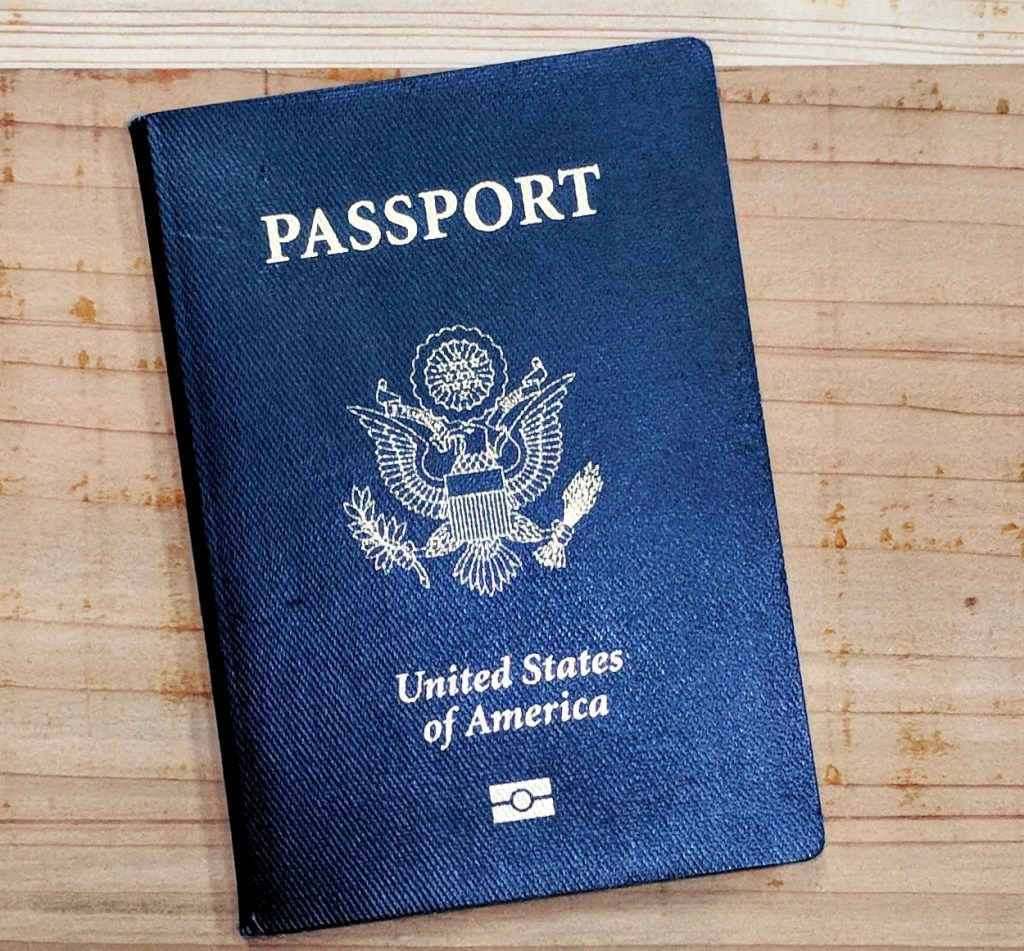
I lost my passport! That is one of the worst things that can happen when you are traveling. I was enjoying a lovely spring break in Korea, but when I got to the airport, I couldn’t find my paperwork that shows when I arrived and that I was allowed into the country. The people were kind but firm, and made me go to the embassy to get a new passport. They took my paw prints and looked at my microchip. I was so ashamed. I didn’t have time to send any postcards, so you may see several at once. Purrs, Gulliver
For spring break my sister Sasha and I are going to Washington, DC. This is the capital of the United States, so we will have a tour of the White House and the Senate building. There is a lot of history here, so we are going to visit the Washington and Lincoln monuments and the Smithsonian, affectionately known as “the nation’s attic” because it has so many old treasures. There are actually 19 museums, nine research centers and the National Zoo as part of the Smithsonian. They collect everything from dinosaur bones to airplanes. Why keep a hundred year old octopus? So we can use it to compare to what an octopus looks like today and measure changes in size, diet and . It will take me more than one spring break to explore everything in the District of Columbia! Purrs, Gulliver
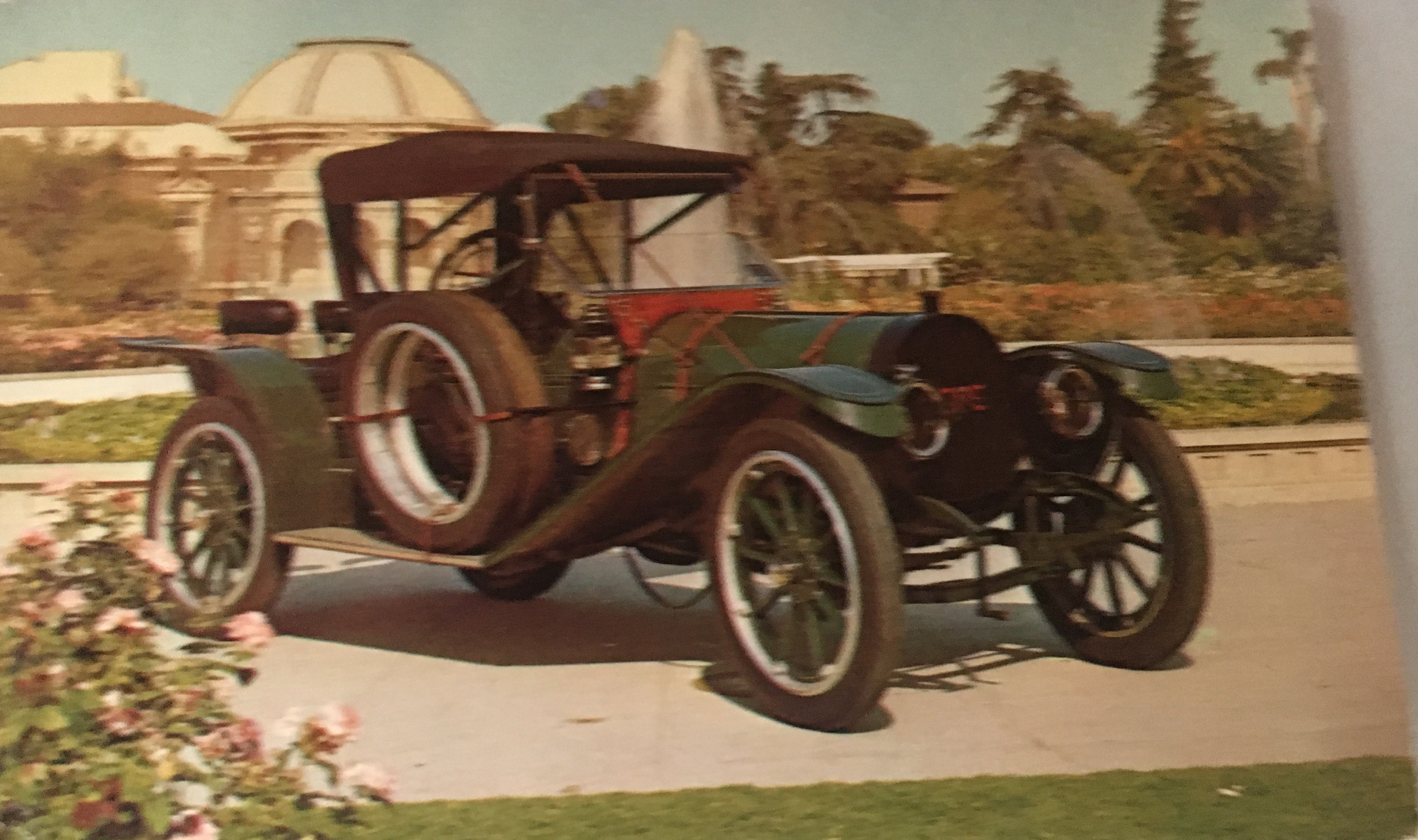
“The Roaring Twenties” was my favorite decade, reminisced my great-grandmother. She was talking about a time almost 100 years ago. “I was a Flapper with bobbed hair and short skirts who loved to party. Your namesake, Mr. G, taught me how to drive his brand new car. It had 3 gears plus reverse but no review mirror, no seatbelts, no air conditioning or heat, and certainly no radio in the car! We drove all the way to Long Beach, California to see the Pacific Southwest Exposition. We had only 3 tires blow out on the trip, and really thought we were the “Cat’s Meow”! Purrs, Gulliver
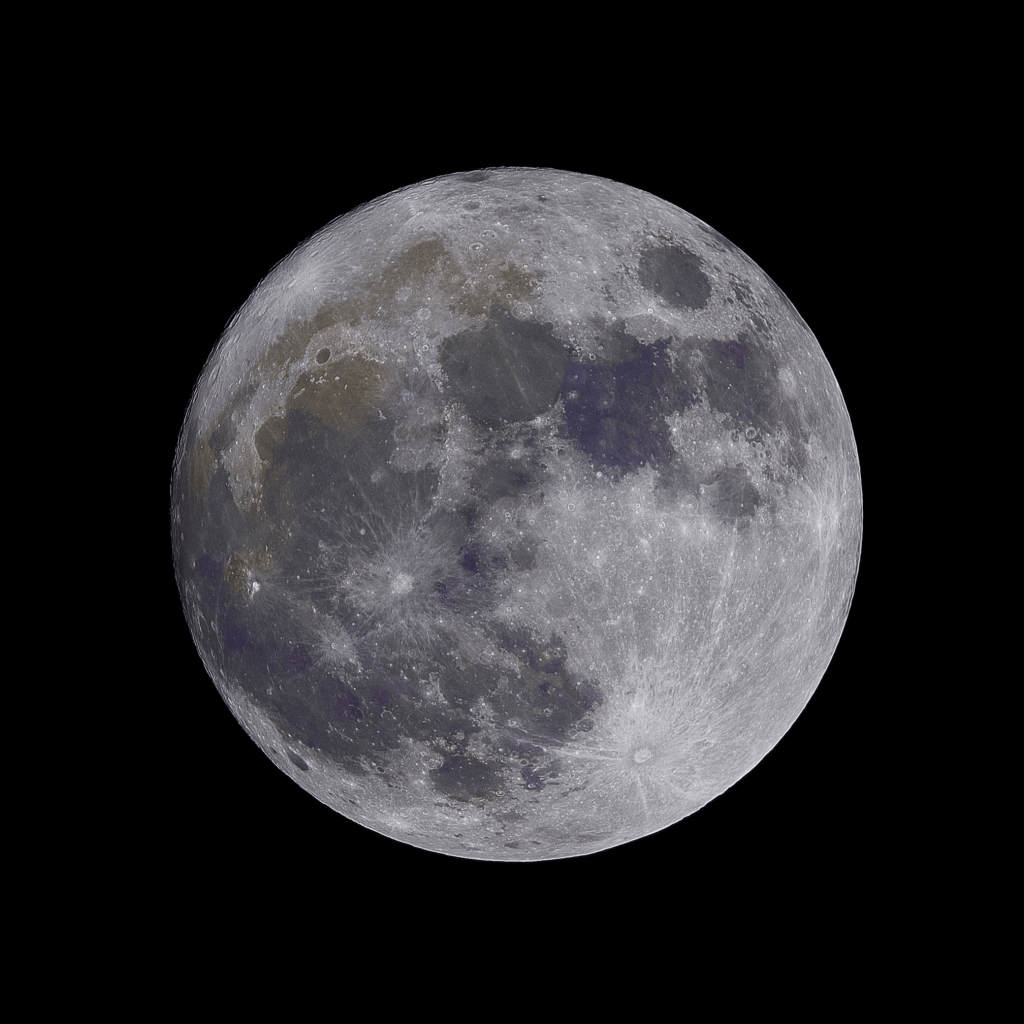
Mom has “cabin fever” from being stuck inside away from her friends and usual activities. To try and cheer her up, I am going to show her the super moon on April 6th. What is a super moon? It is a full moon which is closer to Earth than usual which makes it appear larger and more brilliant than usual. The moon’s orbit around the earth is not round, but oval, so the dates of full moons vary from month to month. There are only two super moons in 2020; one was last month on March 9th, called a worm moon. Tuesday’s moon has a number of names – pink moon, sprouting grass moon, full fish moon and egg moon are a few of the names I found. Another moon to celebrate will be on October 31, and it is called a Blue Moon. These are rare moons, where two full moons appear in a single month, which happens every two and a half to three years. Having a full moon on Halloween is also uncommon, usually occurring every 19 years or so. Maybe I can even get mom to dance in the moonlight! Purrs, Gulliver
picture from Neven Krcmarek found in the Unsplash app. copyright free.
“Hello, Hello? Can you hear me?” I meowed into the telephone to my friend who lives in Tokyo, Japan. “Moshi moshi Gulliver. No need to shout, I can hear you even 5100 miles away!” The first telephones were strung in 1876. They were used by businesses and government centers, and each call required six connections: the caller, four switchboard operators and the receiver. All the operators listened to the conversations to know when to disconnect the lines. As more telephone lines were strung, most homes had a phone. There were “party lines” with different rings for each house, but anyone on the line could listen in. Later telephones used rotary dials and people had their own “address” of numbers and letters, for each private line. Cell phones can be traced back to two way radios used by taxicabs and police, and are now more common than “landlines” which are tied to a location. But if it takes pictures and can use the internet like a computer, why is it still called a phone? Purrs, Gulliver
I must have over indulged in the rich food over the holidays. I had strange dreams which included meeting some creatures that don’t exist anymore. One dream included mastodons, which lived around 15-30,000 years ago. I thought it was an elephant at first, and then realized that they had heavy coats of hair and smaller ears than elephants. They lived in North and Central America during a time the earth was much colder than it is today.
Unlike elephants and mammoths, mastodons didn’t graze on grass but browsed on trees and bushes. As the earth warmed and people migrated to new lands both mastodons and mammoths disappeared. They were hunted for their meat, skin and bones and much of what they ate died out due to the weather changing.
Scientists learned a lot about them from looking at old skeletons found in the last couple of centuries. They were big animals, standing 7-9 feet tall and weighed 7-12 tons, about the same as two cars piled on top of each other. In my dream I made sure to stay out from underfoot, or I would have been squashed like a bug! Purrs, Gulliver
Hi, I am Gulliver’s sister. He asked me to tell you about how to write a postcard because he can’t send a postcard this week. The stamp goes on the upper right, with the address below. The correspondence goes on the left. If there is no line in the center you can draw one so the post office knows where to look for the address. Gulliver would be happy for some mail.
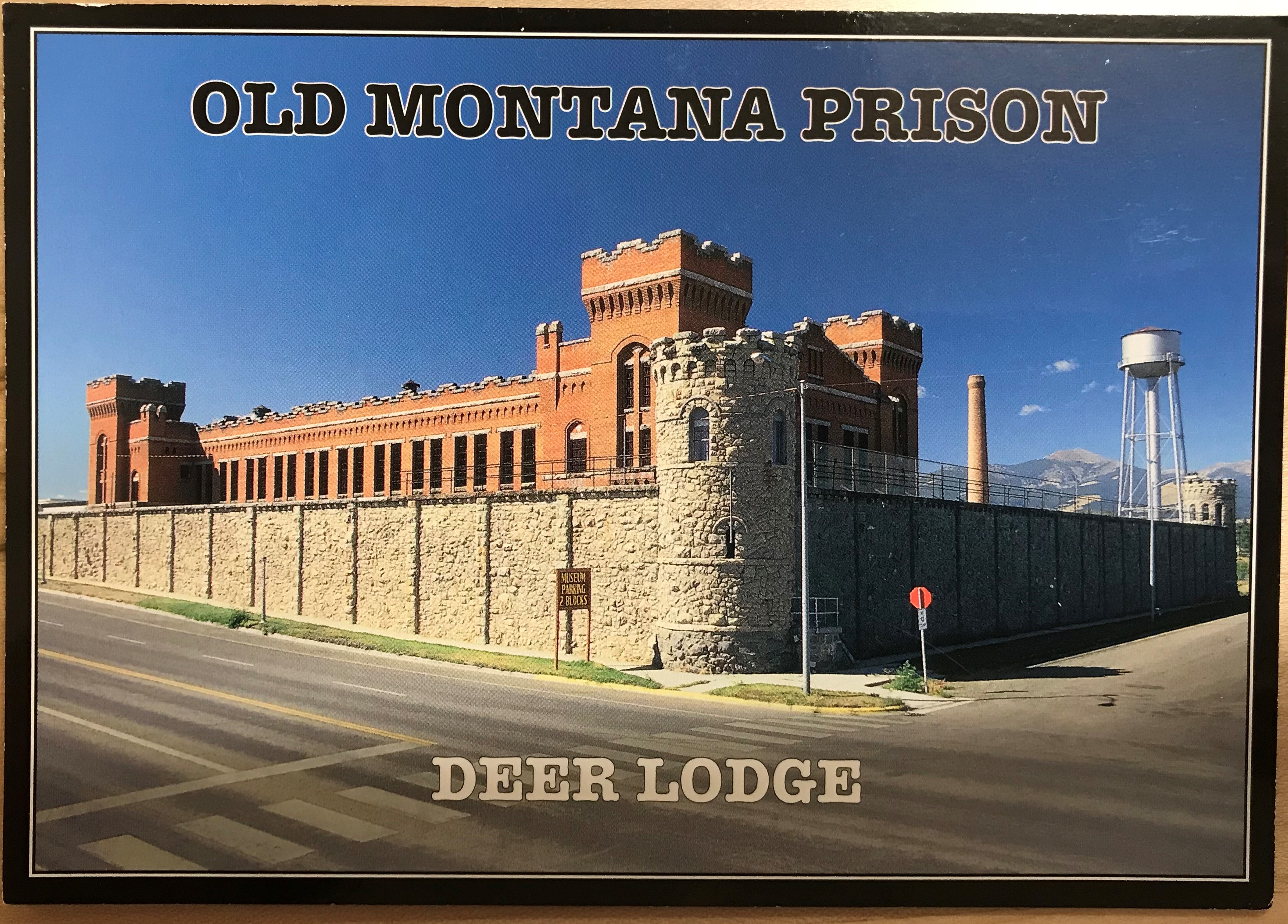
We had gone to the old Montana State prison, which is now a museum. Gulliver was fooling around and locked himself in a cell! “BAD CAT!” yelled the tour guide. “Now you will have to live on bread and water for a week until the museum director comes back from vacation . She is the only one with keys to the cells.” Gulliver hid under the bed and cried. Neither of us is purring right now. Meows. Sasha
I belong to a community called “Postcrossing“. We are a worldwide bunch who call ourselves “postcrossers” and still believe in the antediluvian art of writing letters by hand and posting them in the real world through a good old-fashioned mail box. The beauty of exchanging postcards is the stamp of the country of origin on the card itself (unlike letters where the envelope is stamped). At one glance you know where the postcard has arrived from and how far and wide it has travelled to reach you. In addition, the picture side can be filled with all sorts of images. Most postcrossers prefer “touristy” images that provide a glimpse of the place the card has been sent from. But there are many others with peculiar quirks and hobbies who prefer their mailboxes filled with subjects of interest printed on the postcards. I have sent out cards…





 Gulliver's Mailbox