First Railroad

I was re – reading the book “The Little Engine That Could” and wondered when and where the first railroad was built. It turns out to be in Wales, in 1804. Trains originally ran on steam, which required coal or wood to heat large tanks of water. Today, many railroads run on electricity, including the high speed rail lines across Japan, China and Europe, and the light rail commuter lines in the big cities of the United States. The railroad was a new industry with a language all its own. “We are on the ground” means the train derailed, and “highball it out of here” was slang for traveling at the maximum allowable speed. I found another fun fact – the Chesapeake and Ohio railway used a kitten as a mascot for their advertising, and called him Chessie. A book of his adventures was written about Chessie and his friend Peake. I wish someone would write about me! Purrs, Gulliver

img_1050.jpg

Old Palace, Seoul, Korea

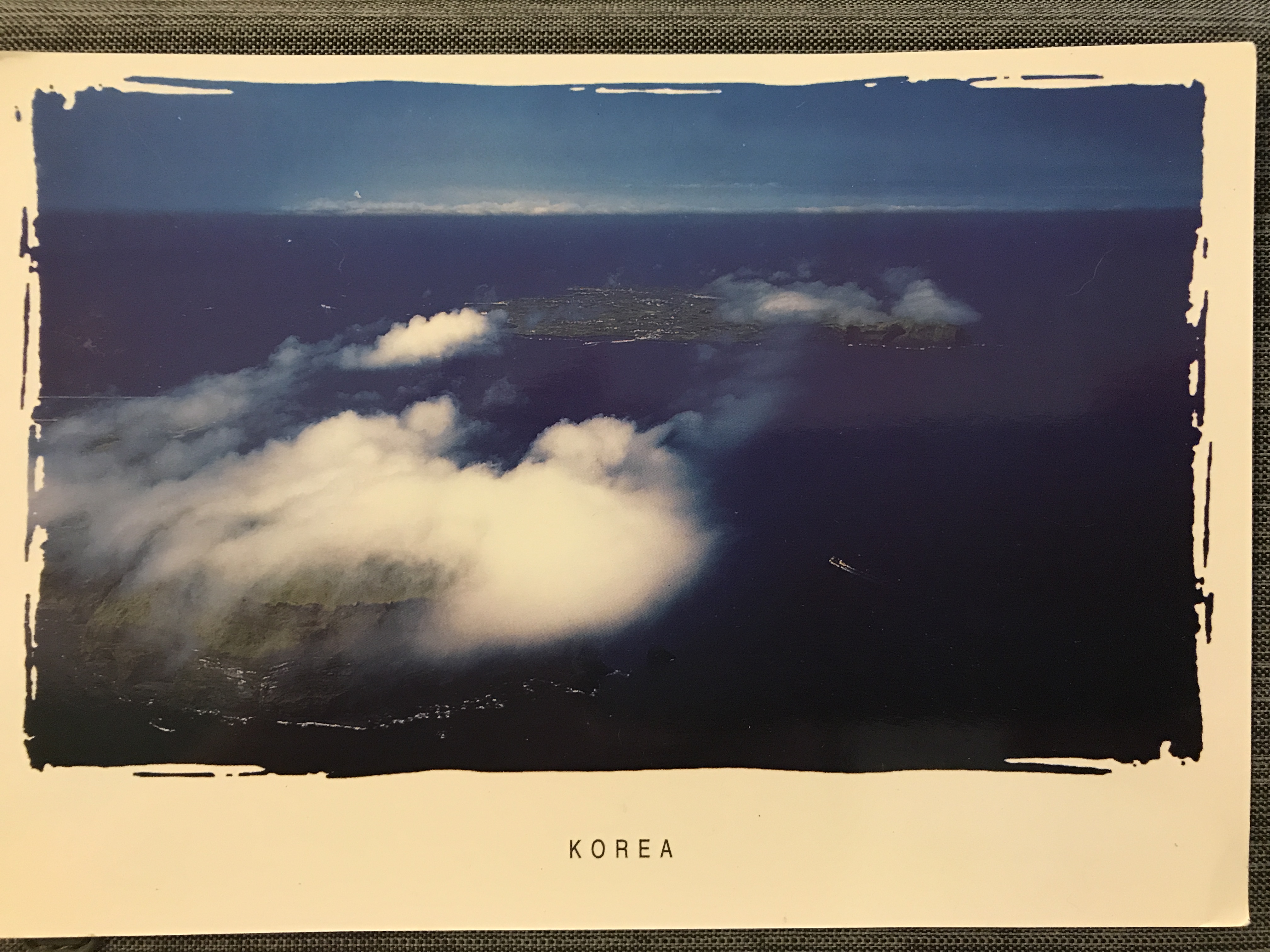
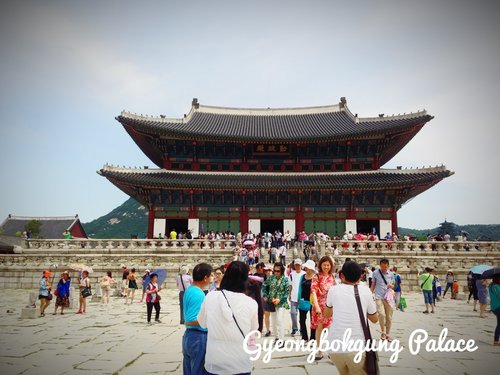
After going to the mud festival in Boryeong, South Korea, I scampered over to the capital, Seoul to visit some tourist sites.  There are not one, but 5 palaces in the capital city. The oldest is Gyeongbokgung Palace (Palace Greatly Blessed by Heaven) which has 7, 700 rooms in over 500 buildings.  So a palace is not just a large home for royalty, but a place that has government offices, meeting halls, and even museums.  I could not see the whole place, but I was very impressed with the folk museum which shows how people dressed and worked many years ago.  One thing that has not changed is the national dish, kimchi, though there are many recipes. Vegetables and spices which have been fermented for months, it is spicy and sour tasting!   Purrs, Gulliver

Gyeongbokgung Palace

China

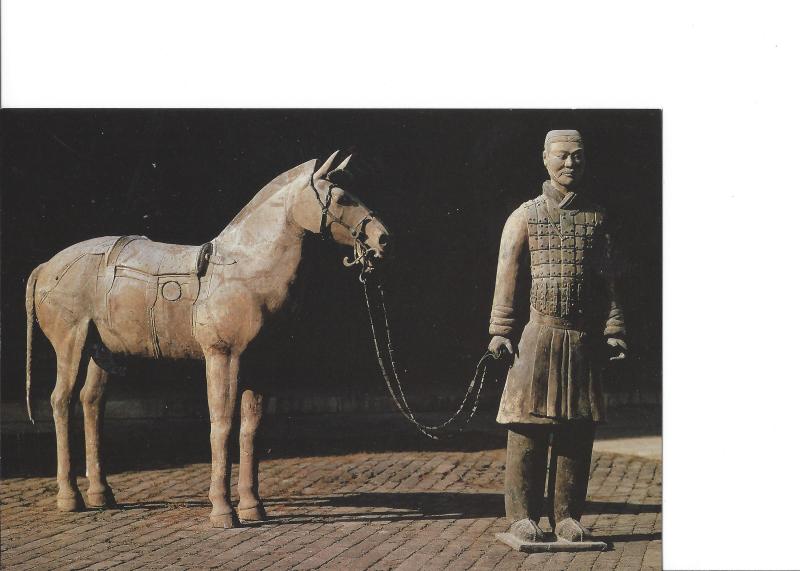
Most historians think the name China comes from “Qin”, which sounds like “Chin” Qin Shi Huang made himself the “First Emperor” and standardized the Chinese language, measurements, and currency. Emperor Qin ruled only fifteen years. During that time the Emperor had clay (terracotta) sculptures made of his army to protect the Emperor after he died. These figures were not found until 2000 years after they were buried. The figures include warriors, chariots and horses. Historians estimate there were over 8,000 soldiers, 130 chariots with 520 horses and 150 cavalry horses, all individually made. Other terracotta non-military figures were also found including officials, acrobats, strongmen and musicians. Purrs, Gulliver

Scan816 xian horse and rider

Japanese writing

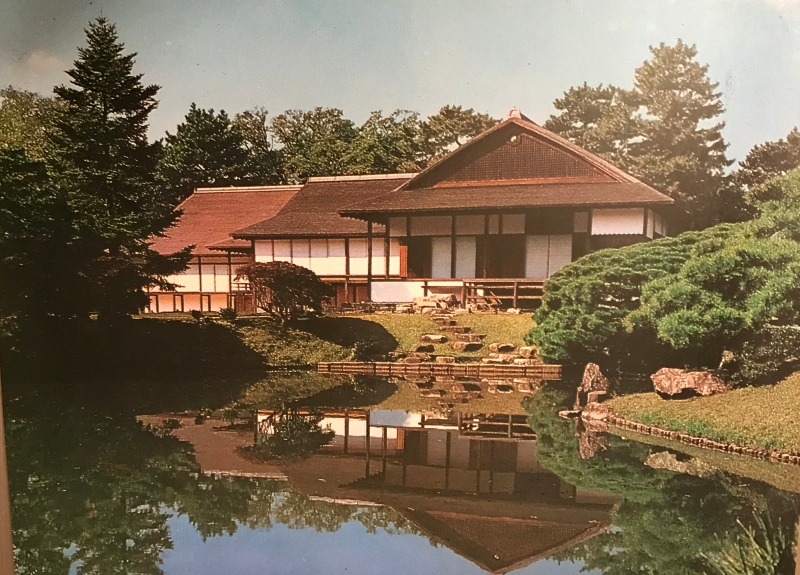
Konnichi wa! That is Japanese for Good Day! Japanese writing is very difficult. There are two ways of forming a letter – one is called kanji, and is borrowed from Chinese characters. The second is called Kana, which uses more symbols. Almost all Japanese sentences use a mix of kanji and kana with several thousand kanji characters are used regularly. The traditional writing is not across the page, like English, but vertical, and read down the columns from right to left. Because of this mix of scripts, the large number of kanji characters, and the different direction of the words, the Japanese writing system is often considered to be the most difficult to use anywhere in the world.
Purrs, Gulliver

japan

Cuba

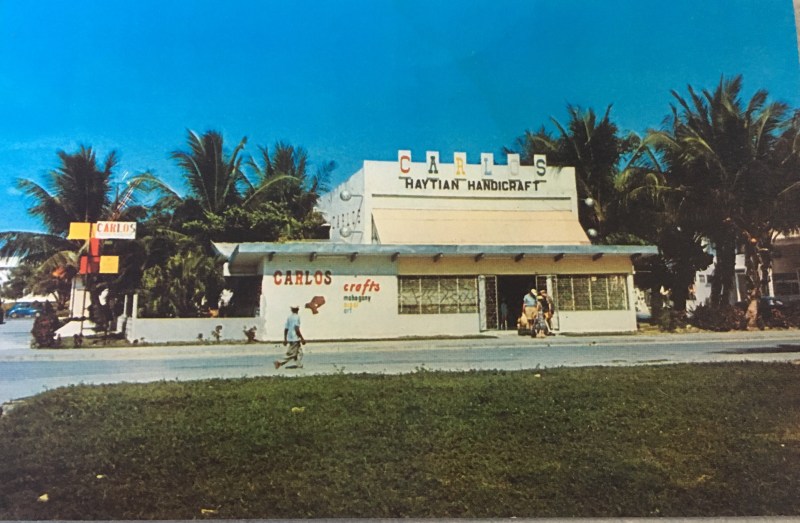
¿Que bola?What’s up?” “Un Gato de la Yuma “(a cat from the United States! ) The Cuban people were very impressed, and wanted to give me a nickname immediately. Everyone here has a nickname, though I can’t share what they called me, partly because I can’t pronounce it. Cuban Spanish is different from the Spanish from other countries, with lots of words from other languages mixed in. The native people are Taino, and the name Cuba comes from their language, and it means either “great place: or where fertilie land is abundant. When you hear about Christopher Columbus “discovering” the Americas, he actually landed in Cuba as the second stop of his first voyage in 1492. “Dale” the girls shouted at me, meaning “come on,” or “hurry up.” We went dancing at the plaza, where I learned about different music styles such as the mambo, cha-cha-cha and salsa. We even did the rhumba! Music and dancing are important parts of life in Cuba, and everyone participates. We hitchhiked home at the end of the night, it was surprisingly safe because it is required for all government driven vehicles to pick up hitchhikers who need a ride, no matter what the reason.

Purrs, Gulliver

cuba

Busy as a bee

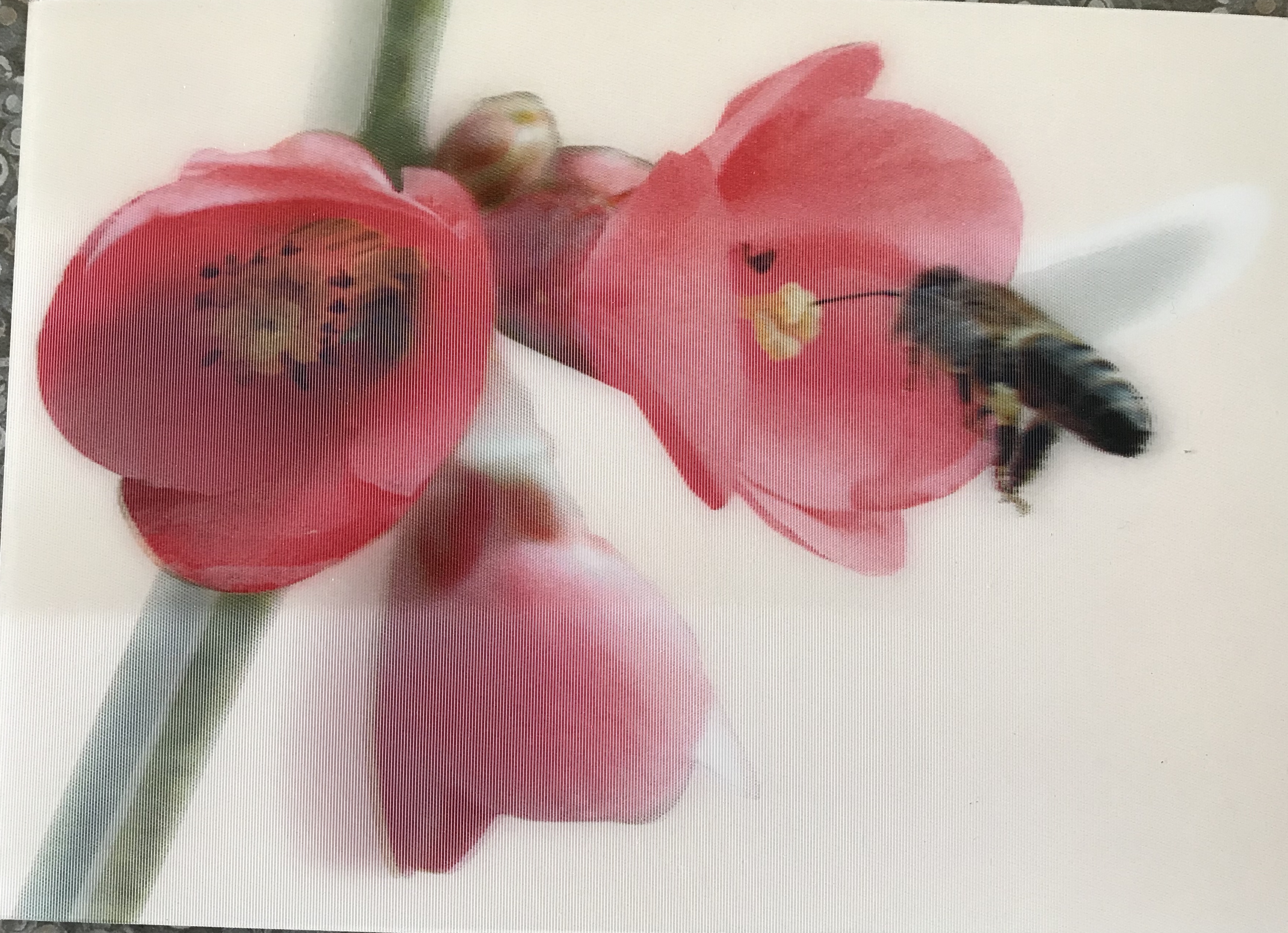
BZZZ BZZZ BZZZ!. A honey bee visits 50 to 100 flowers per trip from their hive (home). They go inside the flower to find nectar to eat, at the same time they pick up pollen and carry it to the next flower to help it grow.  Bees are really interesting. They have six legs, 5 eyes, and two pairs of wings.  They can fly forward, backward and sideways and talk with one another by dancing. A honey bee can fly for up to six miles, and as fast as 15 miles per hour. They are the only insect that produces food (honey) eaten by humans. It takes about 556 workers to gather 1 pound of honey from about 2 million flowers!  Bees also eat honey, and one ounce of honey will fuel a bee’s flight clear around the world!  Don’t try to eat the bee itself, though.  I did that once, and got stung for my efforts, and it HURT!

Purrs, Gulliver

IMG_E0838

Basque Food

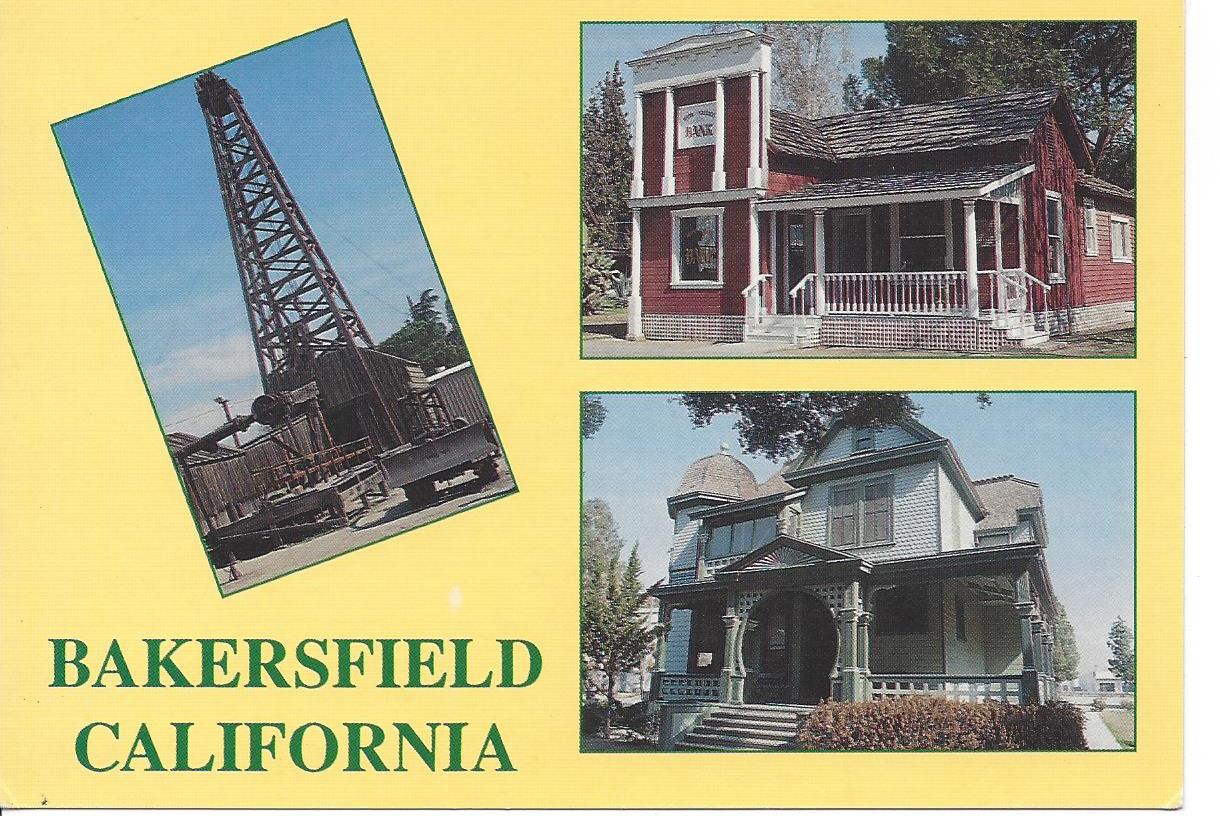
This little cat loves to eat! So when I went to Bakersfield to visit my older brother, we scurried down to have dinner at a Basque restaurant. Everyone sits together in long tables, and the food is served family style with big platters on the table and each person helping themselves. Since we are cats, we had our neighboring humans serve us. We had Soup, Salad, Beans, Bread, Salsa, Pickled Beef Tongue, Cottage Cheese, Pasta, French Fries, and Vegetables. And that was before the main course! At the end of the meal, we were served Blue Cheese and Ice Cream. Many of the Basque people who moved from their home in the Pyrenees Mountains between France and Spain became sheepherders, so lamb is often on the menu at the restaurants. Purrs, Gulliver

Bakersfield

Ancient Olympics

While we were watching the Olympic events, Smokey and I talked about the first Olympic Games. Started over 2,700 years ago as part of a religious festival, it was a short sprint from one end of the stadium to another. Gradually more events were added to make four days of competitions including wrestling, boxing, and long jump, throwing the javelin, discus and chariot racing. There were no winter sports. The ancient Games were held in Olympia, Greece for over 1,100 years until they were outlawed by invaders of Greece. The modern Olympics were started in Athens, Greece, in 1896. Winter sports were added in 1924. In 2004 the Summer Olympics returned to Greece where 11,000 athletes from 201 countries competed. Purrs, Gulliver

ancient olympics

Here is the stadium where the first race took place:

Ancient Olympics 2

2018 Olympics

Woo hoo! My friend Smokey took me to the Winter Olympics in South Korea. The original Olympics were held in Greece during the ancient times. The modern Olympics move from country to country with athletes from all over the world competing for bronze, silver and gold medals. This is the second time South Korea has been host. The first time was the summer Olympics in 1988 in the capital, Seoul. I wanted to see the downhill skiing, speed and figure skating and hockey events. Smokey chose curling, alpine skiing, biathlon, hockey, luge and snowboarding. We had to compromise to see events together. The host city this time was PyeongChang, South Korea, and they used a mascot called Soohorang, who is a white tiger. The tiger represents trust, strength and protection in the Korean culture. Purrs, Gulliver

IMG_0730 (1)

The Pony Express

If I were a time traveler, I would love to visit the Wild West in the mid-1800s. Before there were railroads, airplanes or automobiles, people and mail traveled in stage coaches. It would take a month or more for mail to cross the country this way, and often mail was not delivered. Then a startup business called the Pony Express came along which delivered mail and small packages by horseback from Missouri to California in as little as 10 days. That is around 2,000 miles! People thought the business owner was crazy and the scheme would not work. The Pony Express needed to keep 500 horses available, with the rider changing to a fresh horse every 10-15 miles. The riders would travel about 75 to 100 miles before handing the mail off to a new rider.  “The mail must go through!” was their motto.  Not only bad weather was a test, but bandits, hostile natives, even injury to the horse or rider could stop the mail. The business lasted only 17 months before being replaced by technology in the form of a telegraph machine.  Yet the romance of riding across the West on horseback and delivering news from loved ones lives on to this day.  Purrs, Gulliver