Ancient Olympics

While we were watching the Olympic events, Smokey and I talked about the first Olympic Games. Started over 2,700 years ago as part of a religious festival, it was a short sprint from one end of the stadium to another. Gradually more events were added to make four days of competitions including wrestling, boxing, and long jump, throwing the javelin, discus and chariot racing. There were no winter sports. The ancient Games were held in Olympia, Greece for over 1,100 years until they were outlawed by invaders of Greece. The modern Olympics were started in Athens, Greece, in 1896. Winter sports were added in 1924. In 2004 the Summer Olympics returned to Greece where 11,000 athletes from 201 countries competed. Purrs, Gulliver
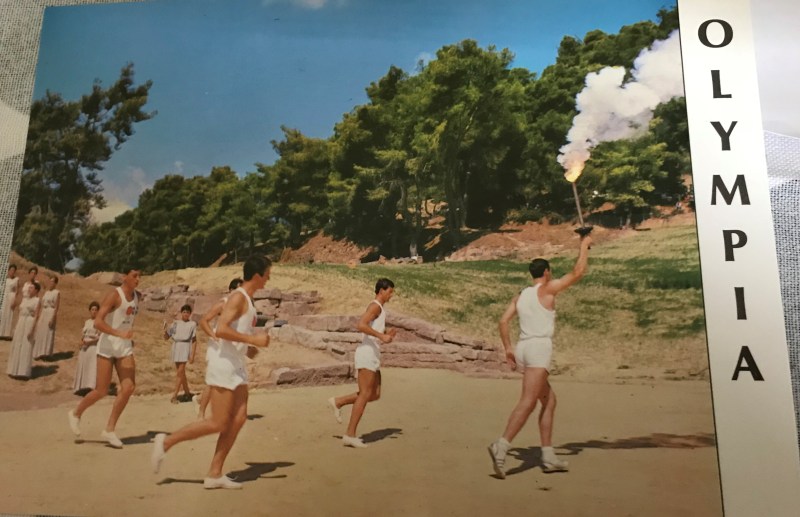
ancient olympics

Here is the stadium where the first race took place:

Ancient Olympics 2

2018 Olympics

Woo hoo! My friend Smokey took me to the Winter Olympics in South Korea. The original Olympics were held in Greece during the ancient times. The modern Olympics move from country to country with athletes from all over the world competing for bronze, silver and gold medals. This is the second time South Korea has been host. The first time was the summer Olympics in 1988 in the capital, Seoul. I wanted to see the downhill skiing, speed and figure skating and hockey events. Smokey chose curling, alpine skiing, biathlon, hockey, luge and snowboarding. We had to compromise to see events together. The host city this time was PyeongChang, South Korea, and they used a mascot called Soohorang, who is a white tiger. The tiger represents trust, strength and protection in the Korean culture. Purrs, Gulliver

IMG_0730 (1)

The Pony Express

If I were a time traveler, I would love to visit the Wild West in the mid-1800s. Before there were railroads, airplanes or automobiles, people and mail traveled in stage coaches. It would take a month or more for mail to cross the country this way, and often mail was not delivered. Then a startup business called the Pony Express came along which delivered mail and small packages by horseback from Missouri to California in as little as 10 days. That is around 2,000 miles! People thought the business owner was crazy and the scheme would not work. The Pony Express needed to keep 500 horses available, with the rider changing to a fresh horse every 10-15 miles. The riders would travel about 75 to 100 miles before handing the mail off to a new rider.  “The mail must go through!” was their motto.  Not only bad weather was a test, but bandits, hostile natives, even injury to the horse or rider could stop the mail. The business lasted only 17 months before being replaced by technology in the form of a telegraph machine.  Yet the romance of riding across the West on horseback and delivering news from loved ones lives on to this day.  Purrs, Gulliver

Tulips

If only flowers could talk, what interesting stories they could tell! The tulip is not only a good traveler, but a migrant as well. Originally found growing wild in Kyrgyzstan and Kazakhstan, tulip bulbs were brought to Istanbul, Turkey for the gardens there. Tulips were prized flowers, and became a symbol of the Ottoman sultans. One sultan had 12 gardens of tulips with 920 gardeners to take care of them. As a gift, tulip bulbs were sent to the Netherlands, where people fell in love with the flower and spent a lot of money to buy bulbs. One bulb could cost as much as $1,500 in today’s money!

Tulip colors have different meanings assigned to them. Yellow tulips symbolize cheerful thoughts, white express forgiveness and purple represents royalty. A red tulip, similar to the red rose, means perfect love. Now tulips can be found in many countries. I would like to go to a tulip festival one spring and see the acres of flowers blooming. There are festivals in the Netherlands which are very popular, but also in Mt. Vernon, Washington; Ottawa, Canada; Kashmir, India; Albany, New York and Holland, Michigan to name a few places. That would be a lot of flowers to see! Purrs, Gulliver

img_1103.jpg

Williamsburg

I wish I could travel back and forwards through time.   Going to Williamsburg, Virginia is like traveling through time to when the original United States were still colonies of England. Williamsburg was the capital of the Virginia Colony from 1699 to 1780 In the 1600’s and 1700’s, there were no airplanes, telephones, refrigerators or cars. People grew their own food, made candles for light (electricity had not been discovered yet), made their own clothes and tools. Kitchens and toilets (privies) were separate buildings from the living and sleeping rooms and there was no running water to the house. Everyone had to work hard- even the cats that caught rodents and kept them from eating people’s food.  Wow, I didn’t realize how lucky I am – I don’t have to go hunting for my dinner! Purrs, Gulliver

IMG_E0841

An Irish Birthday

Would you like a cuppa? A cuppa what? Why a cup of tea, of course! The Irish drink an average of 1,184 cups per person per year. Tea in the morning, noon and night, for any reason or none at all. And always black tea, never green or herbal. A good thing I like tea. My host family speak both English and Irish (Gaelic), and it is fun to listen to them sing Irish songs together accompanied by a Celtic harp. They are celebrating my friend Shelagh’s birthday – she just turned 10. Her father treated her to an old custom by turning her upside down, and holding her by the ankles, gently bumped her head on the floor 11 times for good luck. They then told me of another old custom. Farmers would often have the family pig live in the house like a pet. The pig was called “the gentleman who pays rent” because at the end of his stay he became sausage, bacon and pork chops which were sold at market! Purrs, Gulliver

IMG_1117

Passports

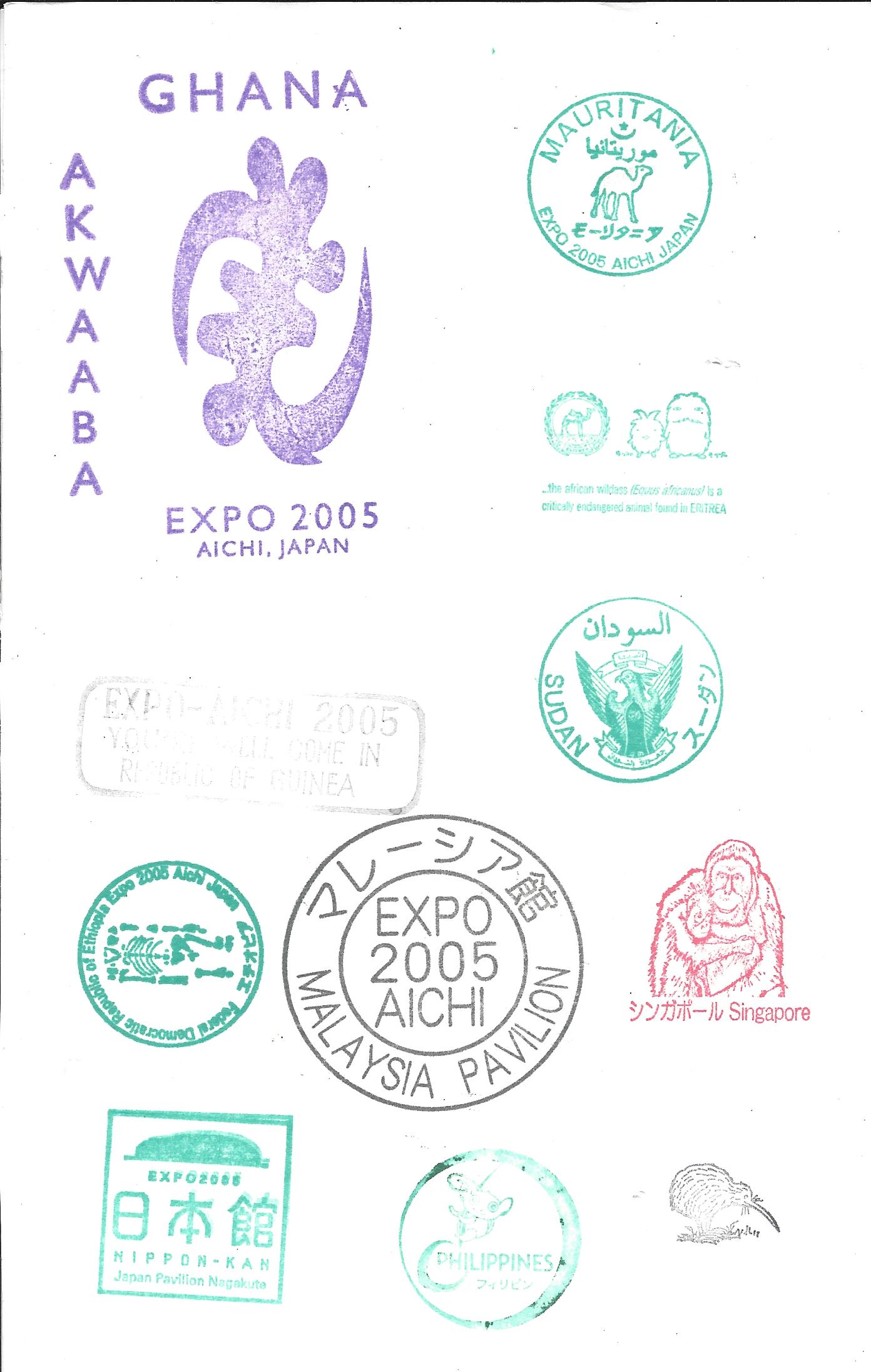
Whew, I am sorry I have been behind in sending postcards. I was delayed in customs and immigration. They didn’t believe a cat could have a passport! A passport is a travel document given out by the government that proves a person’s identity. Like a birth certificate, it has my name, place and date of birth, photograph, and signature (a paw print in my case). Each country has a special stamp they use when I enter the country. Here are some stamps from my passport. Purrs, Gulliver passport stamps

Mouse in Portland

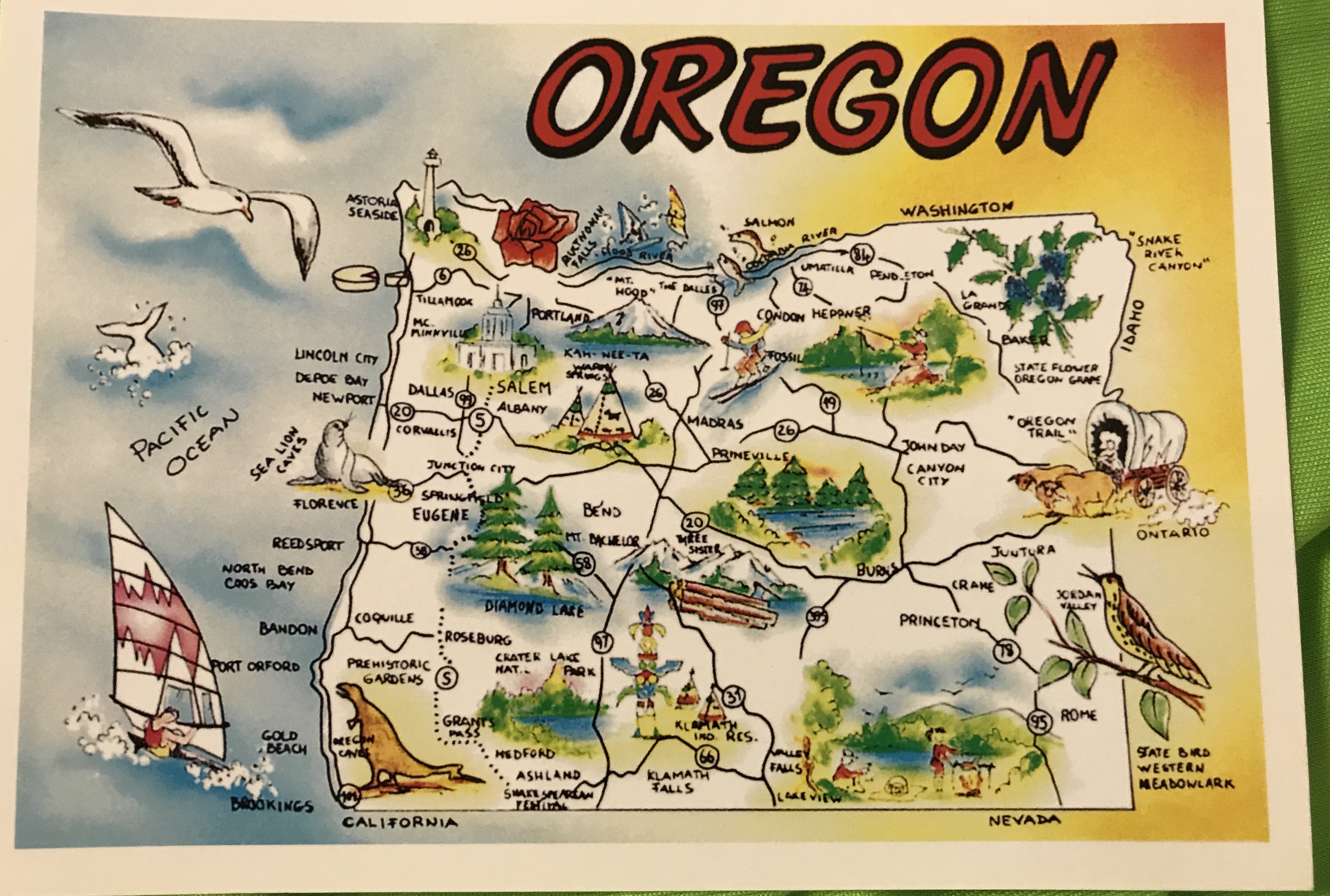
My friend Mouse, who is a cat so I never understood her name, moved from Salinas, California to Portland, Oregon last year. Now she has invited me to come for a visit! I think I will go when the iris are in bloom, and maybe some of the roses that Portland grows in its famous garden. I love visiting gardens and looking at pretty flowers.

Maybe Mouse and I will take a day trip to Mount Hood. It is about 100 miles away, but as the tallest point in Oregon, it can be seen from Portland. I called it a mountain, but Mouse explained it is an active volcano, though not likely to erupt in an explosion. There are several ski resorts and lodges on the mountain, and 12 different glaciers, or ice fields. We had better take some snow boots to avoid frost bitten paws. Purrs, Gulliver

IMG_0409 (Edited)

Camels

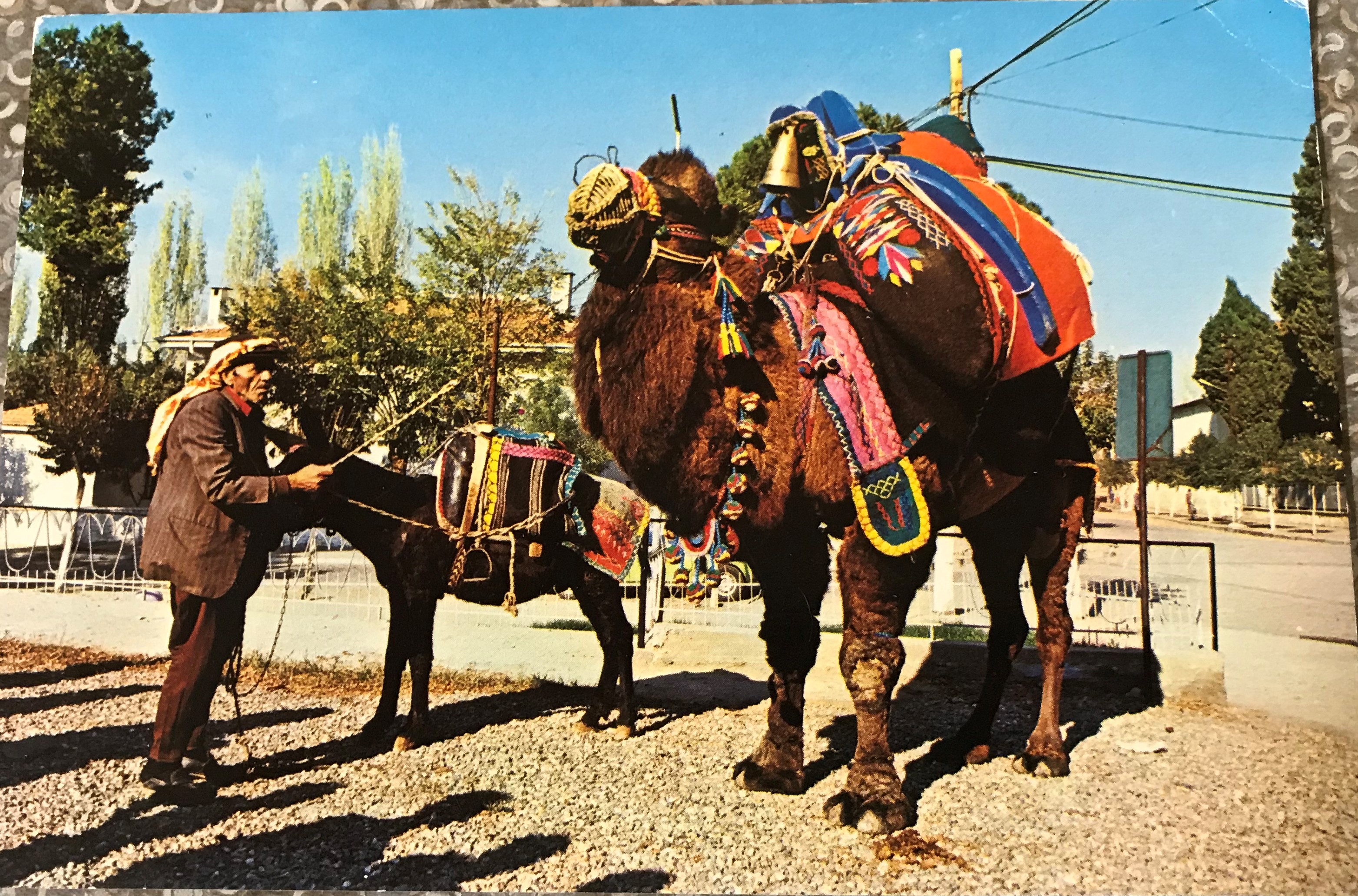
One hump or two?  The single hump is a camel from the Middle East or upper Africa. The camel with two humps is native to Asia.   Camels are suited to the desert because their eyes have three eyelids and two rows of eyelashes to keep sand from entering their eyes.  They are also able to close their nostrils and lips to keep out the dust. I wish I had that kind of super-power! The camel is a symbol of patience, tolerance and strength.  Camels are usually very peaceful.  Just don’t get a camel mad – they can “spit” a stinky green fluid from their stomach all over you – it is as bad as a skunk smell!   Purrs, Gulliver

IMG_0942

Cappadocia, Turkey

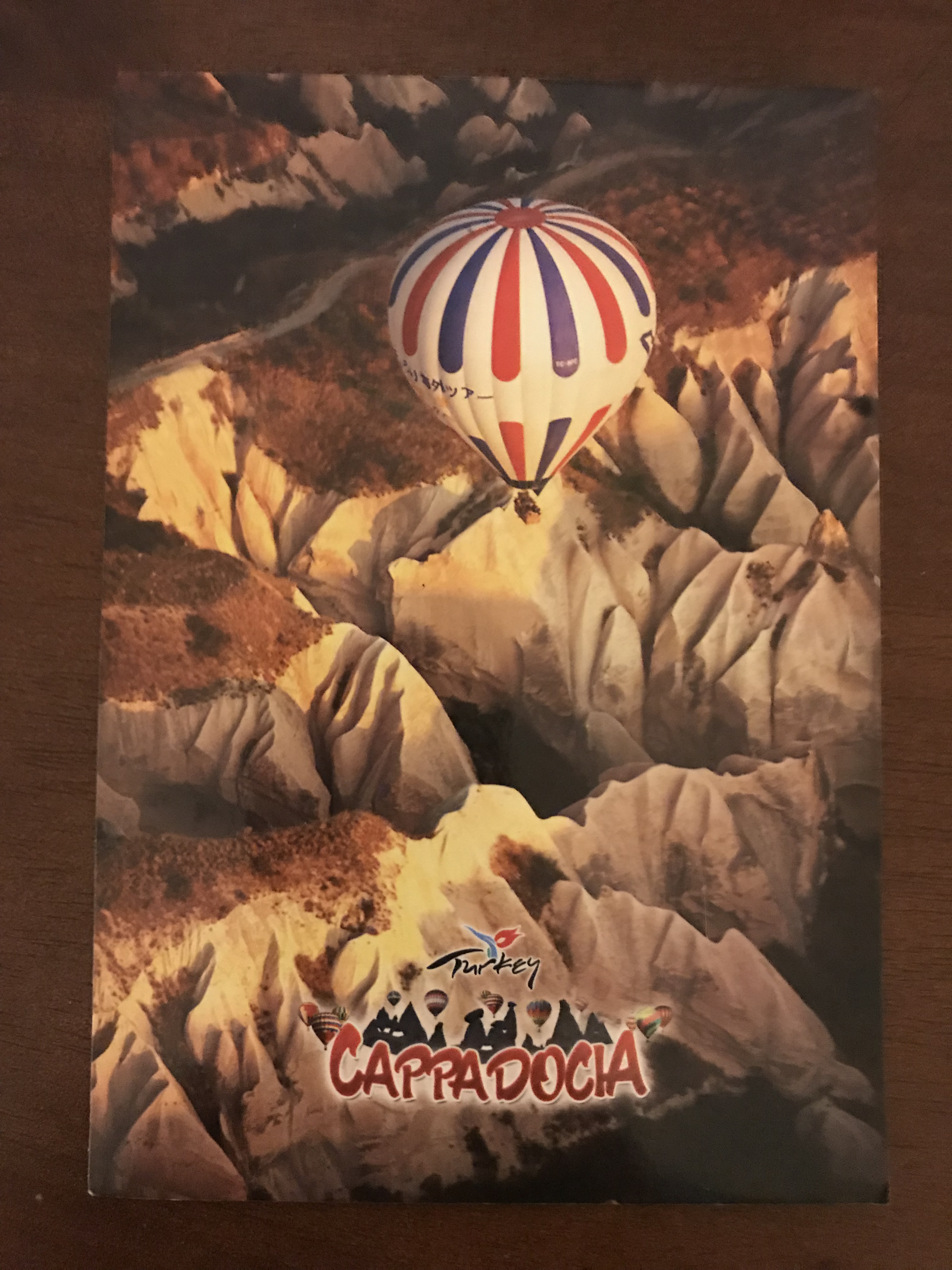
I am at a balloon festival in Turkey! Not all of Turkey looks like this landscape; I thought for a while that this must be what the moon looks like up close! The stone is from very old volcano ash and is called tuff, which is soft and easily carved.  What is really interesting is that there are whole cities underneath the ground that people built 2,400 years ago to escape wars and raids from outsiders.  Tunnels linked the cities just like a road would above ground, and there could be as many as eight stories of rooms going down into the earth. Now, some of those places are museums, some have been turned into hotels and some are still home to local people!  Above ground, the wind and water have carved the tuff into magical shapes like cones, needles and bowls.  We had fun imagining a fantasy world populated by aliens living among the rocks.  What would they look like, what would they wear, and how would they communicate with each other – talking, reading minds, hand gestures?  I hope they would be friendly to cats!  Purrs, Gulliver


Purrs, GulliverPurrs